How to Design a Functional Kitchen: The Complete 2026 Guide
A kitchen is one of the most important spaces in any home. It is where meals are prepared, families gather, conversations happen, and daily routines begin and end. While a beautiful kitchen can increase the value of your property, a functional kitchen improves your quality of life every single day.
Many homeowners focus heavily on colors, cabinet styles, and decorative elements. However, the most successful kitchens are designed around functionality first. A well-planned kitchen saves time, reduces clutter, improves safety, and makes cooking more enjoyable.
If you’re wondering how to design a functional kitchen, this complete guide will walk you through everything you need to know, from choosing the right layout to maximizing storage, improving workflow, selecting appliances, and creating a space that works for your family’s needs.
Why Functional Kitchen Design Matters
A poorly designed kitchen can cause daily frustration.
Common problems include:
- Not enough storage
- Limited counter space
- Poor lighting
- Inefficient appliance placement
- Traffic congestion
- Difficult cleaning routines
On the other hand, a functional kitchen offers:
- Better Workflow: Everything is located where it should be, reducing unnecessary movement.
- Increased Storage: Smart storage solutions keep the kitchen organized and clutter-free.
- Improved Safety: Proper spacing and lighting reduce accidents.
- Easier Cleaning: Thoughtful layouts make maintenance faster and simpler.
- Higher Property Value: Modern functional kitchens are highly attractive to buyers.
Step 1: Understand How Your Family Uses the Kitchen
Before choosing materials or layouts, think about how the kitchen will actually be used.
Ask yourself:
- How many people cook regularly?
- Do children help with cooking?
- How often do you entertain guests?
- Do you need a dining space?
- Do you bake frequently?
- Do you buy groceries in bulk?
Example
A family of five may need:
- Larger pantry storage
- Double sink
- Bigger refrigerator
- Extended countertop space
A young professional living alone may prioritize:
- Compact appliances
- Minimalist storage
- Open layout
The most functional kitchen is one designed around your lifestyle rather than current trends.
Step 2: Choose the Best Kitchen Layout
The layout is the foundation of every functional kitchen.
Let’s explore the most popular options.
L-Shaped Kitchen
An L-shaped kitchen uses two connected walls.
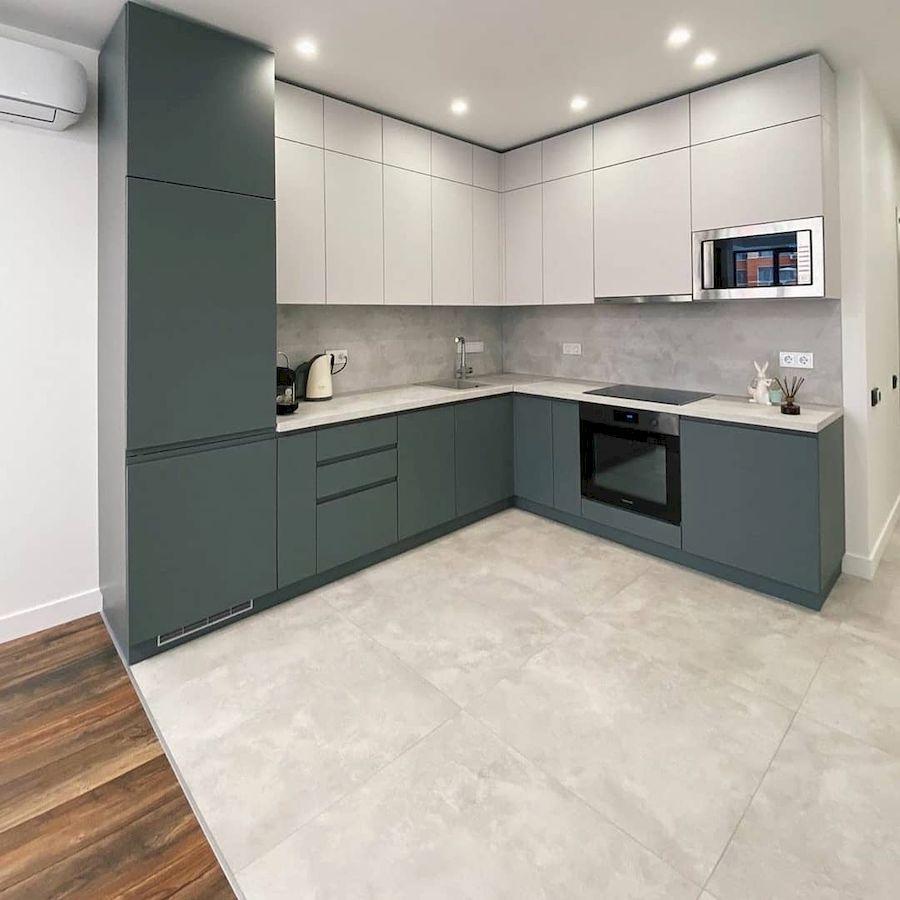
Best For:
- Apartments
- Small homes
- Open-concept spaces
Advantages:
- Efficient workflow
- Open appearance
- Flexible design options
- Allows room for dining tables
U-Shaped Kitchen
This layout surrounds the user on three sides.
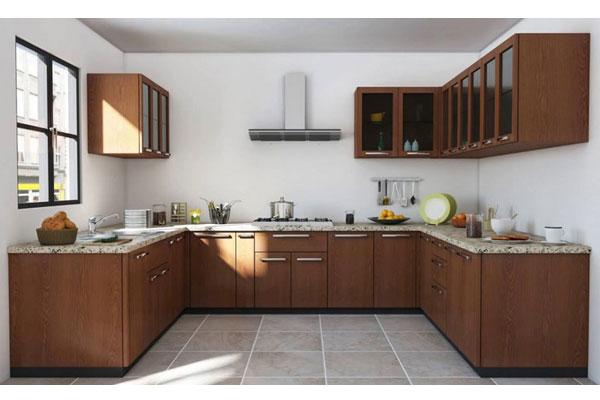
Best For:
- Large families
- Frequent cooks
- Homes requiring maximum storage
Advantages:
- Excellent workspace
- Large storage capacity
- Efficient movement
Galley Kitchen
Features two parallel counters.
Best For:
- Small and narrow spaces
- Apartments
Advantages:
- Efficient workflow
- Reduced walking distance
- Cost-effective
One-Wall Kitchen
All cabinets and appliances are located on one wall.
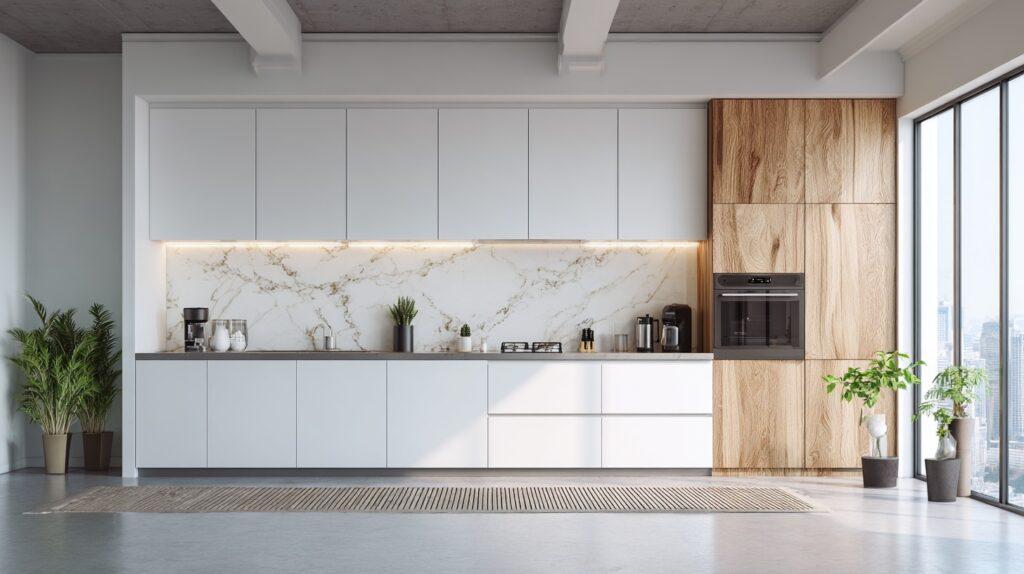
Best For:
- Studio apartments
- Compact homes
Advantages:
- Space-saving
- Affordable
- Simple installation
Island Kitchen
A central island adds both functionality and style.
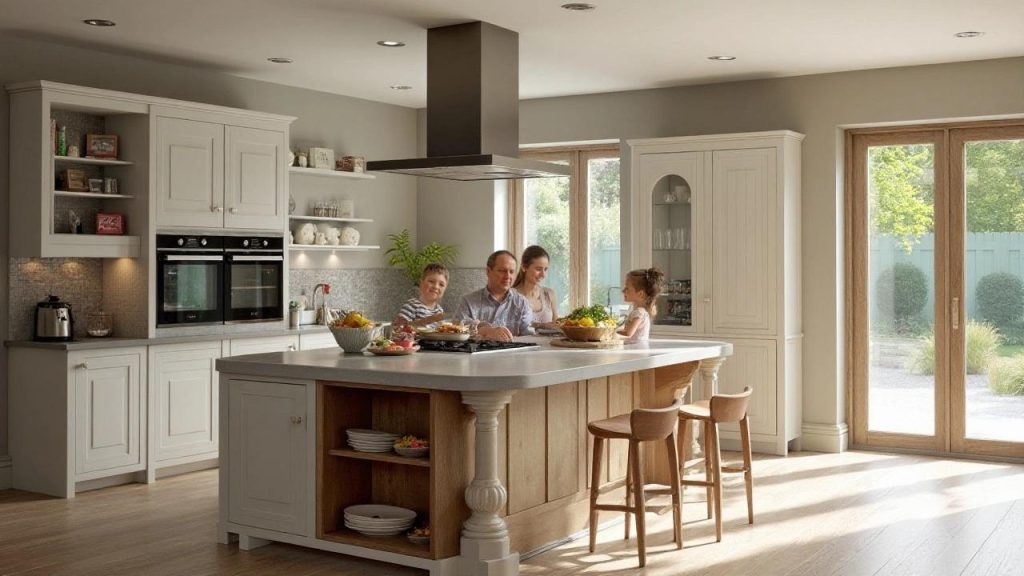
Benefits:
- Extra storage
- Additional seating
- Increased workspace
- Better social interaction
Step 3: Apply the Kitchen Work Triangle
The kitchen work triangle remains one of the most effective planning principles.
The triangle connects:
- Refrigerator
- Sink
- Stove
These are the three most frequently used areas.
Why It Works
When preparing meals, most people follow this pattern:
- Take ingredients from refrigerator
- Wash ingredients in sink
- Cook on stove
Keeping these areas close together reduces unnecessary movement.
Work Triangle Benefits
- Faster cooking
- Improved efficiency
- Less fatigue
- Better organization
Although modern kitchens have evolved, the work triangle remains highly relevant.
Step 4: Create Functional Kitchen Zones
Modern kitchen designers increasingly use kitchen zones.
Zones organize activities into dedicated spaces.
Storage Zone
Includes:
- Refrigerator
- Pantry
- Food cabinets
Preparation Zone
Includes:
- Countertops
- Cutting boards
- Small appliances
Cooking Zone
Includes:
- Stove
- Oven
- Cookware storage
Cleaning Zone
Includes:
- Sink
- Dishwasher
- Waste bins
Serving Zone
Includes:
- Dining area
- Breakfast counter
- Kitchen island
Organized zones help multiple family members use the kitchen without interfering with each other.
Step 5: Plan Storage Before Buying Cabinets
Storage is one of the biggest factors in kitchen functionality.
Many homeowners underestimate how much storage they actually need.
Use Deep Drawers
Deep drawers work well for:
- Pots
- Pans
- Mixing bowls
- Containers
Install Tall Cabinets
Vertical storage maximizes available space.
Ideal for:
- Seasonal cookware
- Bulk food storage
- Small appliances
Add Pull-Out Pantry Systems
Benefits include:
- Better visibility
- Easier access
- Improved organization
Optimize Corner Storage
Use:
- Lazy Susans
- Pull-out corner systems
- Rotating shelves
Create Appliance Storage
Dedicated storage prevents countertop clutter.
Store:
- Air fryers
- Mixers
- Toasters
- Coffee makers
Step 6: Maximize Counter Space
Countertops are the primary work surfaces in the kitchen.
Insufficient counter space makes cooking frustrating.
Recommended Counter Areas
Create dedicated spaces for:
- Food preparation
- Cooking support
- Serving
- Small appliances
Add an Island
If space allows, an island significantly increases workspace.
Keep Counters Clear
Store rarely used appliances inside cabinets.
A clutter-free counter instantly improves functionality.
Step 7: Choose Appliances Carefully
Appliances should fit your lifestyle and kitchen size.
Refrigerator Placement
Position near the entrance.
This allows easy grocery unloading.
Sink Placement
The sink should be near preparation areas.
Stove Placement
Keep close to preparation zones but away from heavy traffic areas.
Dishwasher Placement
Install next to the sink for efficient cleaning.
Smart Appliance Features in 2026
Popular features include:
- Energy-efficient technology
- Smart connectivity
- Voice control
- Touchless operation
- Water-saving systems
Step 8: Design Effective Kitchen Lighting
Lighting affects both functionality and aesthetics.
A well-lit kitchen is safer and more comfortable.
Ambient Lighting
Provides overall illumination.
Examples:
- Ceiling fixtures
- Recessed lighting
Task Lighting
Focuses on work areas.
Examples:
- Under-cabinet LEDs
- Counter lighting
Accent Lighting
Enhances appearance.
Examples:
- Pendant lights
- Shelf lighting
- Display cabinet lighting
Natural Light
Whenever possible:
- Increase window size
- Use glass doors
- Avoid blocking sunlight
Natural light makes kitchens feel larger and more inviting.
Step 9: Prioritize Ventilation
Cooking generates:
- Smoke
- Heat
- Grease
- Moisture
- Odors
Good ventilation improves indoor air quality.
Install a Quality Chimney
Benefits include:
- Cleaner air
- Reduced grease buildup
- Better comfort
Add Exhaust Fans
Useful in smaller kitchens.
Improve Natural Ventilation
Consider:
- Windows
- Ventilation openings
- Cross-airflow design
Step 10: Select Durable Materials
Functional kitchens should be built to last.
Best Countertop Materials
Quartz
Pros:
- Low maintenance
- Durable
- Stain-resistant
Granite
Pros:
- Natural appearance
- Heat resistant
- Long lifespan
Flooring Options
Porcelain Tiles
- Durable
- Water resistant
- Easy to clean
Luxury Vinyl Flooring
- Comfortable
- Affordable
- Modern appearance
Choose materials that balance beauty and practicality.
Step 11: Design a Functional Small Kitchen
Small kitchens require smart planning.
Use Vertical Space
Install:
- Floating shelves
- Tall cabinets
- Hanging racks
Choose Light Colors
Popular options:
- White
- Beige
- Light gray
- Soft cream
These colors make small spaces feel larger.
Install Multi-Purpose Furniture
Examples:
- Foldable tables
- Extendable countertops
- Storage benches
Use Reflective Surfaces
Gloss finishes and mirrors enhance visual space.
Step 12: Incorporate Modern Kitchen Trends for 2026
Today’s homeowners expect kitchens to do more than ever.
Smart Kitchens
Features include:
- Smart refrigerators
- Voice-controlled lighting
- Connected appliances
Hidden Storage
Creates a clean, minimalist appearance.
Sustainable Design
Includes:
- Energy-efficient appliances
- Eco-friendly materials
- Water-saving fixtures
Open Shelving
Provides easy access while creating visual interest.
Minimalist Design
Focuses on simplicity and functionality.
Common Kitchen Design Mistakes to Avoid
- Ignoring Workflow: A beautiful kitchen that is difficult to use quickly becomes frustrating.
- Insufficient Storage: Always plan for future storage needs.
- Poor Lighting: Dark kitchens reduce comfort and safety.
- Oversized Islands: Large islands can obstruct movement.
- Not Enough Electrical Outlets: Modern kitchens require multiple charging and power points.
- Following Trends Without Considering Function: Trends change, but functionality remains important for years.
Functional Kitchen Design Checklist
Before finalizing your design, review this checklist:
- Layout suits your lifestyle
- Efficient work triangle
- Dedicated kitchen zones
- Adequate storage space
- Sufficient countertop area
- Proper lighting plan
- Good ventilation
- Durable materials
- Safe walkways
- Smart appliance placement
- Future-proof design
Frequently Asked Questions
What is the most functional kitchen layout?
L-shaped and U-shaped kitchens are often considered the most functional because they provide excellent workflow and storage.
How much countertop space do I need?
Most households benefit from at least 4 to 6 feet of uninterrupted preparation space.
Are kitchen islands worth it?
Yes, if space allows. Islands provide additional storage, seating, and workspace.
What is the kitchen work triangle?
The work triangle connects the refrigerator, sink, and stove to improve efficiency.
How can I make a small kitchen more functional?
Use vertical storage, light colors, multi-purpose furniture, and smart organization systems.
What is the biggest kitchen design mistake?
Ignoring workflow and storage requirements are among the most common mistakes homeowners make.
Conclusion
Understanding how to design a functional kitchen is about creating a space that supports your daily lifestyle. The most successful kitchens combine smart layouts, efficient workflows, organized storage, durable materials, proper lighting, and thoughtful planning.
Whether you’re building a new home, renovating an existing kitchen, or upgrading a modular kitchen, focusing on functionality first will ensure your kitchen remains comfortable, practical, and beautiful for many years to come.
A functional kitchen is not defined by its size or cost—it is defined by how well it works for the people who use it every day.